By Calistack Team · Editorial standards: Calistack editorial team
Why Progression Matters More Than Motivation in Calisthenics
A progression gives you a practical next choice when motivation changes. Choose a movement you can control, record what you did, and review comparable sessions before adjusting the challenge. Motivation still matters; the purpose of structure is to support your decisions, not to guarantee adherence or constant improvement.

What Happens After Week Two
The first week of starting calisthenics is always exciting. You watch a few highlight videos, feel fired up, and train almost every day until your arms and shoulders are sore.
By week three, that initial excitement wears off. If you don't have a structured plan showing how your reps are improving, working out starts to feel like guesswork. That's when most people start skipping sessions—not because they became lazy, but because they can't tell if what they're doing is actually working.
Why Having a Clear Next Step Beats Willpower
When you follow a clear progression, you don't have to rely on feeling hyped up before every workout. You already know what you're working on—maybe adding two more reps to your incline push-ups, holding your chest-to-wall handstand for 45 seconds, or hitting 3 sets of 8 bodyweight rows.
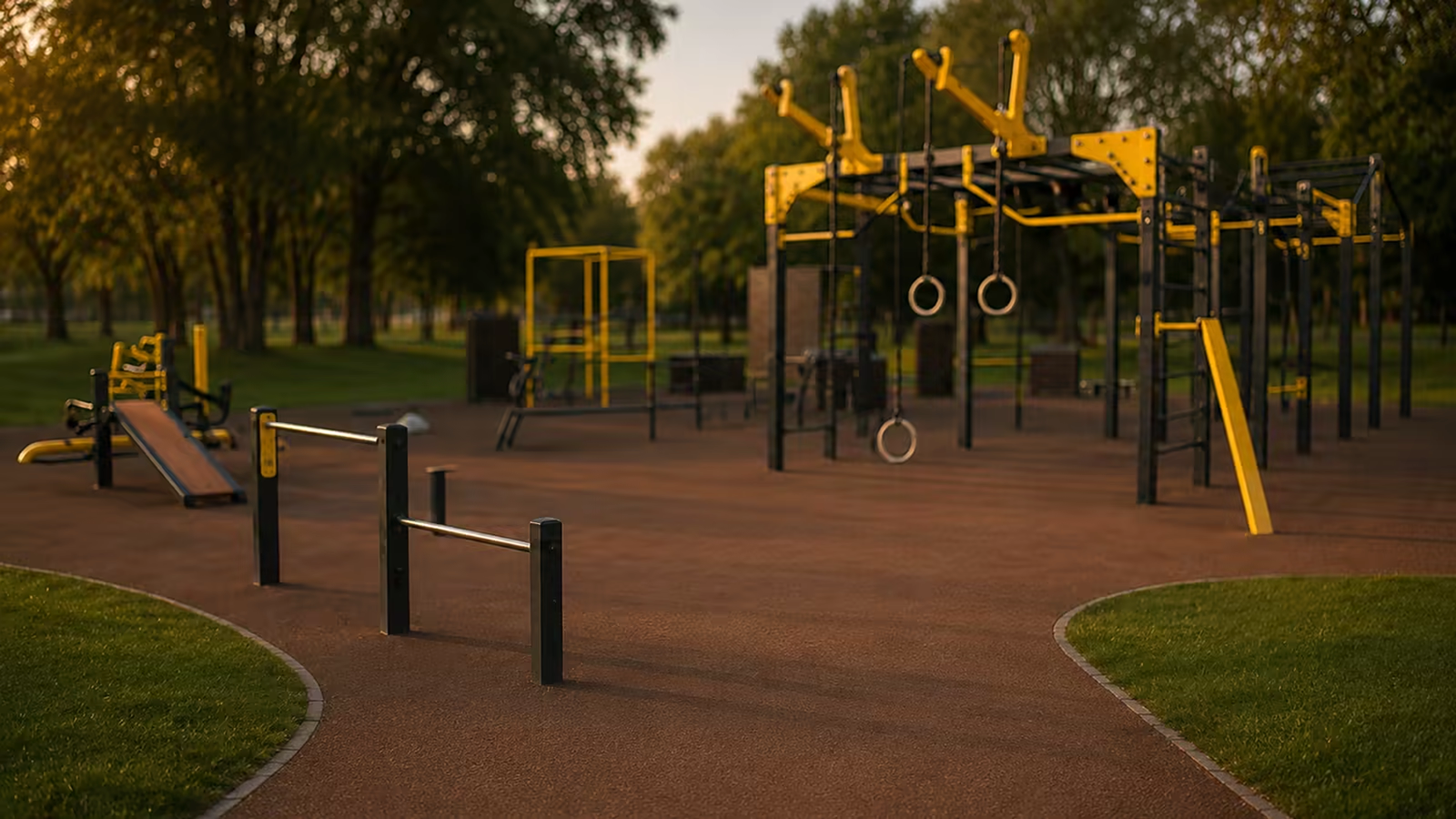
“You don't need to feel inspired every day when you know the exact target you're trying to hit in today's session.”
Leveling Up One Node at a Time
Every big skill in calisthenics is really just a chain of smaller milestones. Unlocking a solid frog stand gives you the wrist and fingertip control for headstands and handstands. Mastering strict pull-ups and straight-bar dips sets up your muscle-up.

We built CaliStack so you can see that chain clearly from day one. When you log your sets and watch yourself move from one node to the next, your own progress becomes the thing that keeps you coming back.
Want a clear plan for your next skill?
We built Calistack to show you the exact steps from where you are right now to your first handstand, muscle-up, or lever.