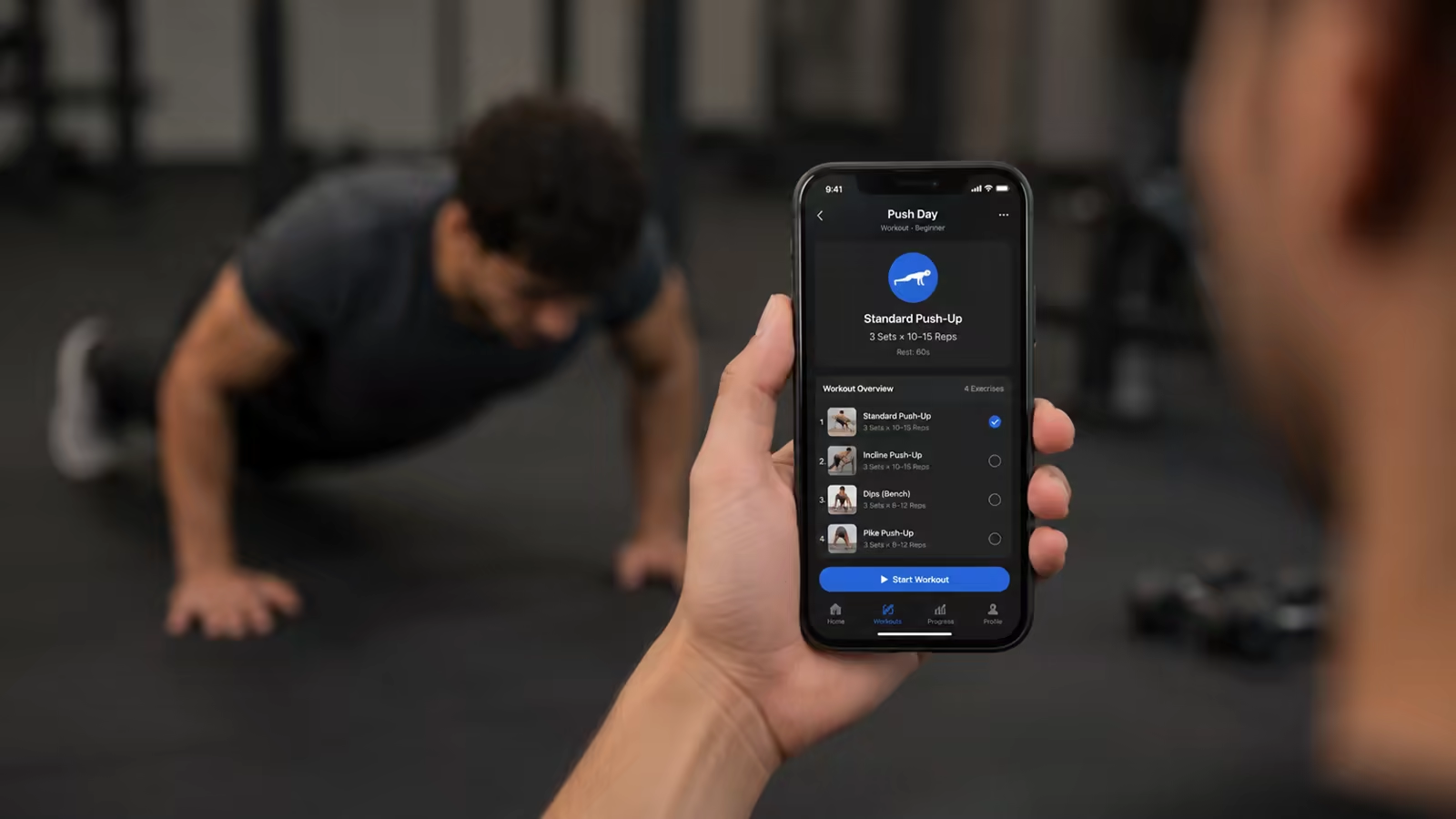
The Hidden Problem With Most Fitness Apps
The Hidden Problem With Most Fitness Apps
Most people do not quit fitness because they are lazy. They quit because they feel lost.
At first, motivation feels powerful. You download an app. You save workout videos. You promise yourself this time will be different. Then reality hits. One app tells you to do HIIT. Another tells you to train abs every day. Someone on YouTube says muscle-ups are "easy." Another creator says you need weighted pull-ups first. Everything becomes noise.
Confusion kills consistency faster than difficulty ever will.

The biggest hidden problem with most fitness apps is simple. They give workouts. But they do not give direction.
A beginner opens the app and sees random sessions: "Chest Blast" "Fat Burner" "Extreme Core" "Pull Day" But nobody explains what these workouts are actually building toward.
In calisthenics, every movement connects to another movement. Push-ups build pushing strength. Rows improve pulling mechanics. Hollow body holds teach core control. Scapular strength creates shoulder stability. These are not isolated exercises. They are prerequisites.
A muscle-up is not a single skill. It is a chain of mastered basics.
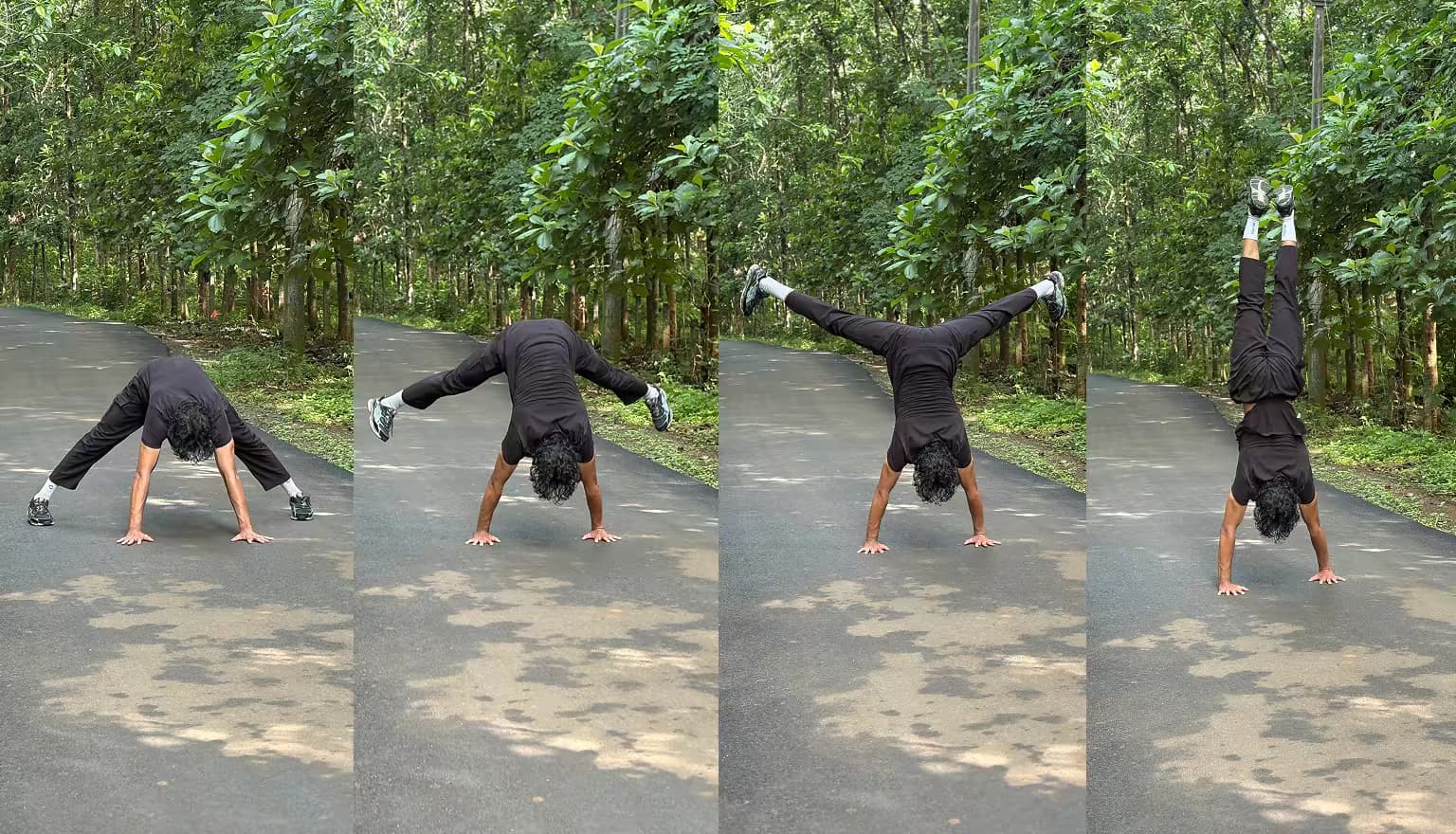
Most apps completely ignore this. They treat fitness like entertainment. Swipe. Tap. Finish workout. Repeat. But progression does not work like social media.
Real calisthenics feels more like learning a language. You cannot skip the alphabet and suddenly speak fluently. Your body learns the same way. Tendons adapt slowly. Joint control develops gradually. Movement patterns become cleaner through repetition. Strength grows layer by layer.
The body respects progression. Ego does not.
This is exactly why beginners get injured or frustrated. They attempt advanced movements without understanding the roadmap behind them. Someone sees a handstand online and immediately starts kicking against a wall. But nobody taught them wrist preparation. Nobody explained shoulder stacking. Nobody mentioned scapular elevation. Nobody talked about balance mechanics.

The internet often glorifies the final skill. But mastery lives inside the invisible steps.
That is where structured progression changes everything. Instead of asking: "What workout should I do today?" You start asking: "What skill am I building toward?" That single shift changes the entire training experience.
When training has direction, consistency becomes easier. Because now every session has meaning. Every hollow hold supports your front lever journey. Every incline push-up moves you toward dips. Every assisted pull-up builds future pulling power.
People stay consistent when they can see where the path leads.
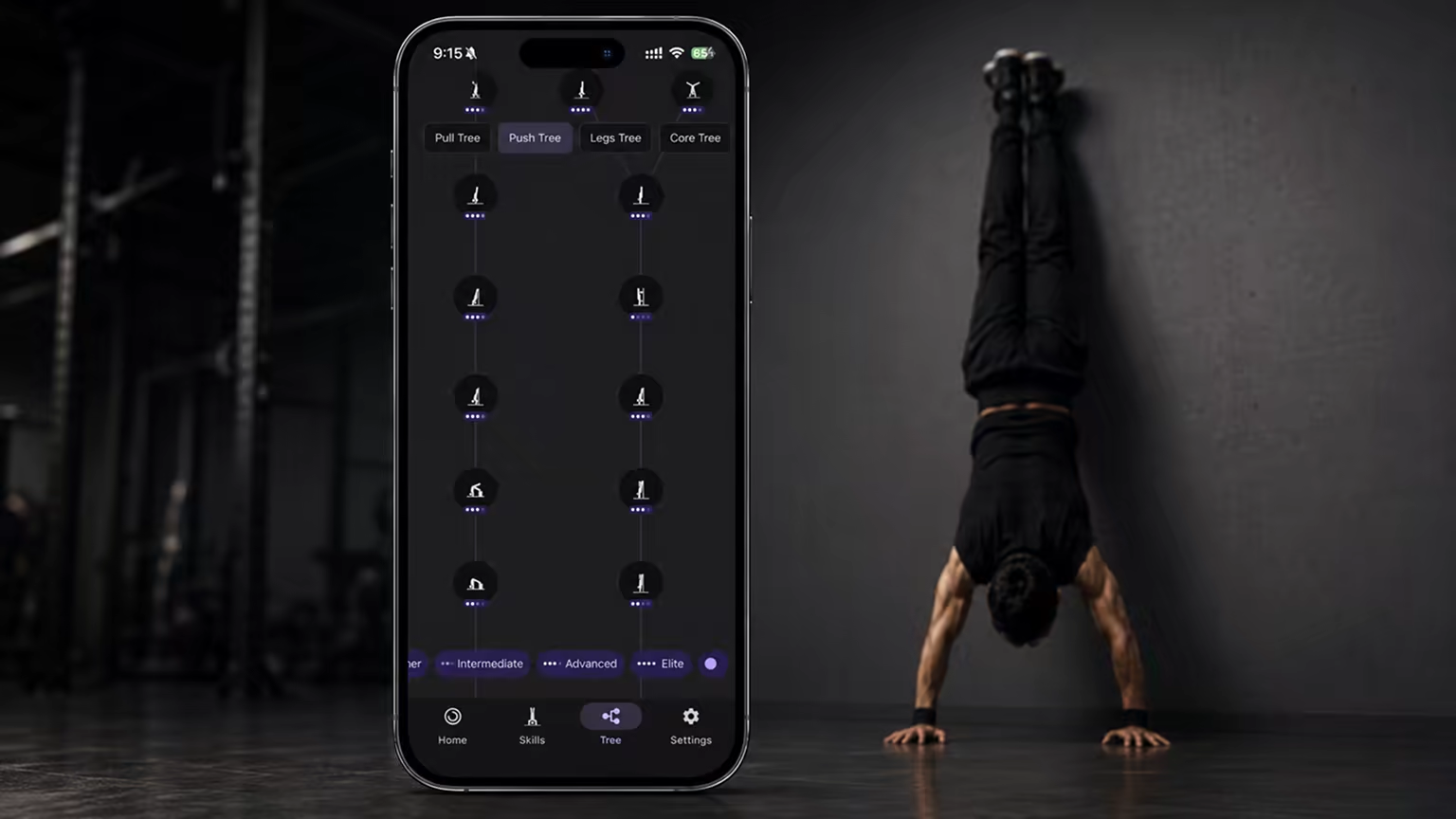
This philosophy is what makes structured systems like CaliStack different. Instead of flooding users with endless random workouts, the focus shifts toward progression trees, movement understanding, and roadmap-based learning. You are not just exercising. You are unlocking movement.
And honestly, that changes the emotional experience of training. Because calisthenics stops feeling like punishment. It starts feeling like skill acquisition.
That feeling matters. A lot.
Beginners often think advanced athletes are simply more motivated. Most of the time, they are just less confused. They know what comes next. They trust the process because they understand the structure behind it.
Clarity creates discipline far better than motivation ever can.
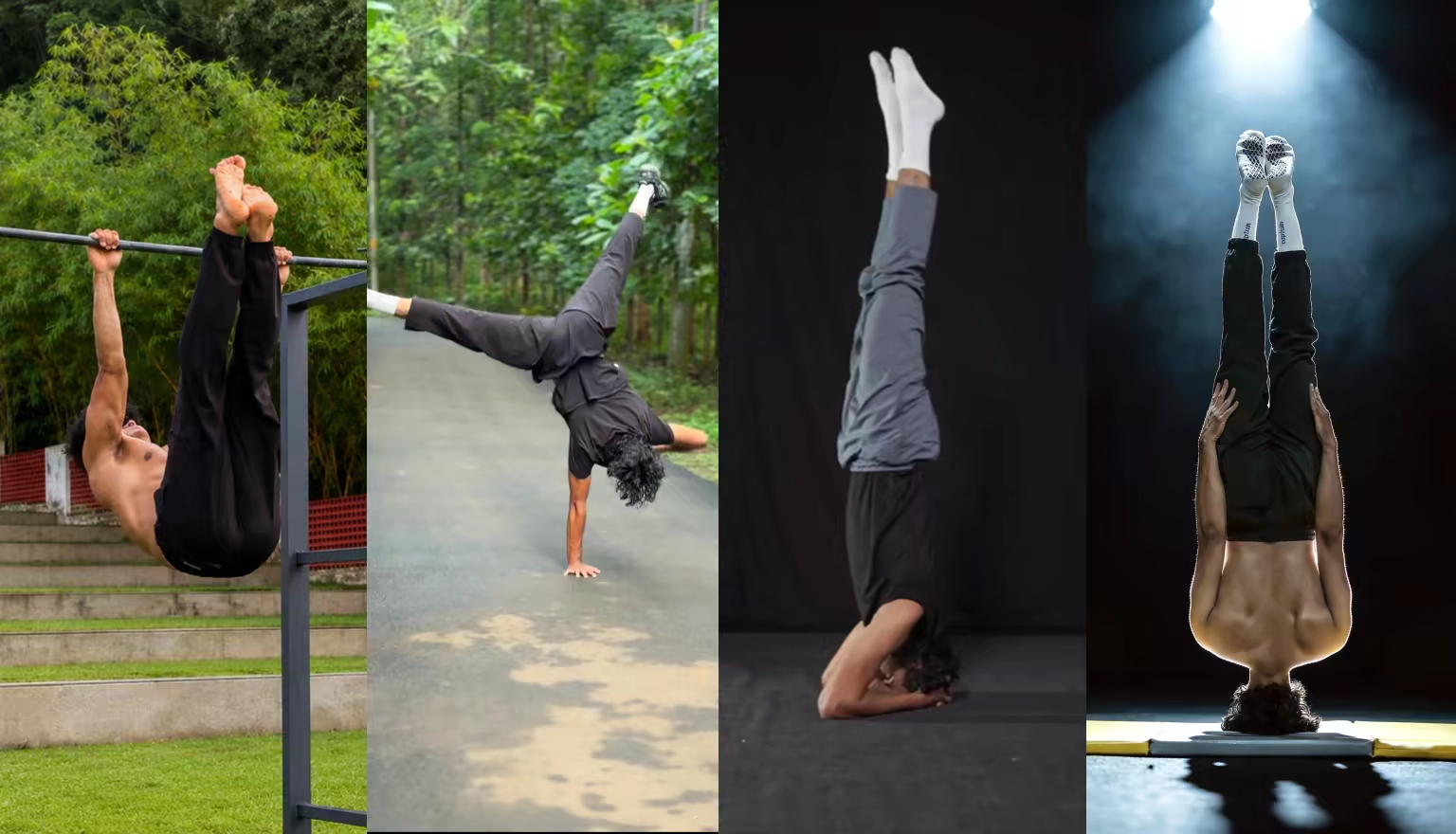
The future of fitness apps should not be more workouts. It should be better guidance. More structure. More education. More progression awareness. Because the real goal is not exhausting people. The real goal is helping them grow.
And growth always follows direction.
Train smarter. Progress faster.

