By Calistack Team · Editorial standards: Calistack editorial team
Why Calisthenics Feels Different From the Gym
Calisthenics often makes the movement itself a goal, while gym training can make changes in external load easier to measure. Both can build strength and teach technique. Choose the mix you enjoy and can practice consistently, using comparable records rather than assuming that one method produces a more meaningful result.
On paper, calisthenics looks like basic bodyweight exercise—push-ups, pull-ups, dips, and squats. But once you actually start training toward bodyweight skills, it feels completely different from a normal gym routine.
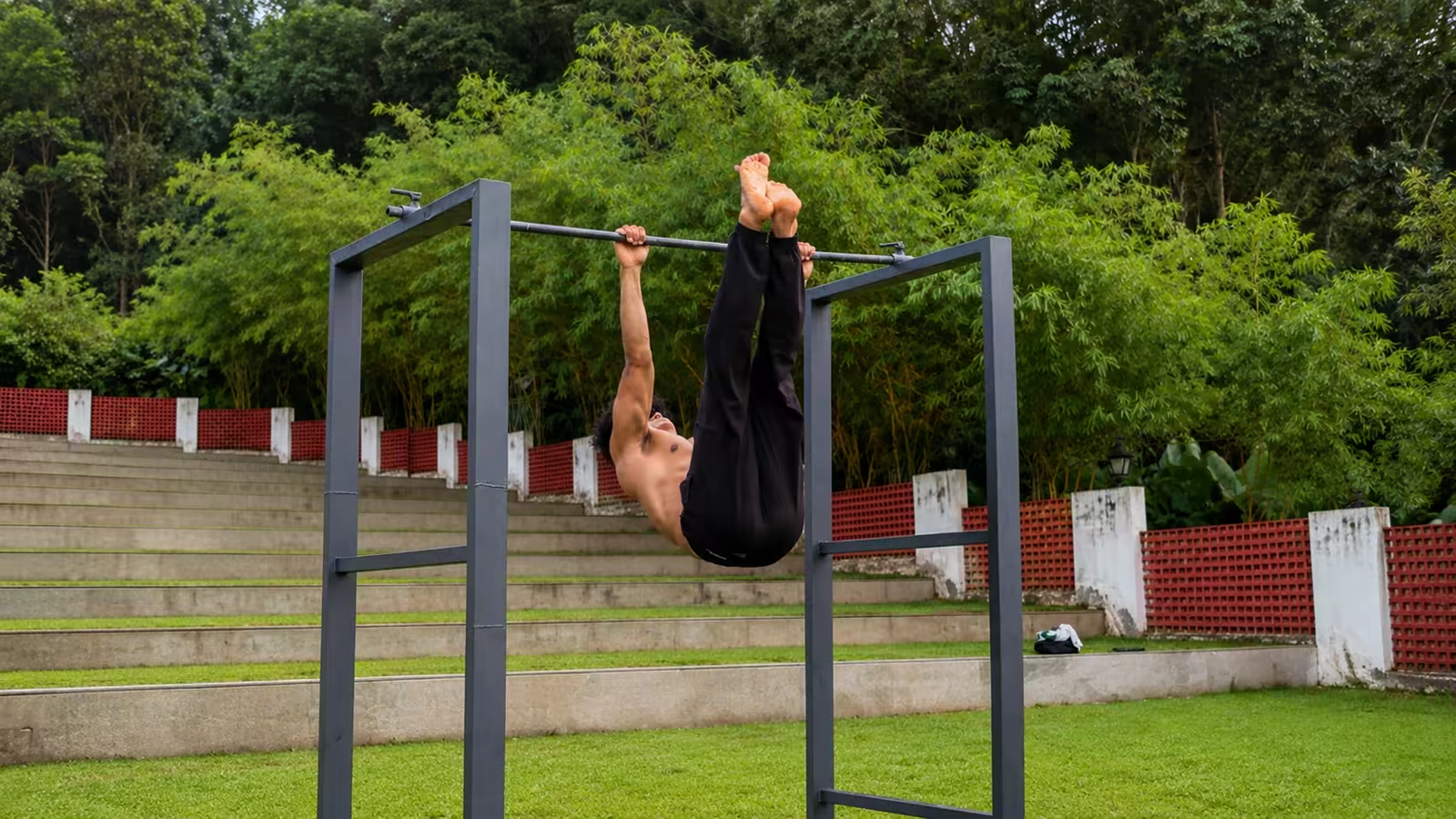
Unlocking Skills vs. Adding Weight Plates
In the gym, progress mostly means moving a heavier pin on a weight stack or adding another plate to the bar. That's great for building muscle, but after a while the workouts can feel repetitive.
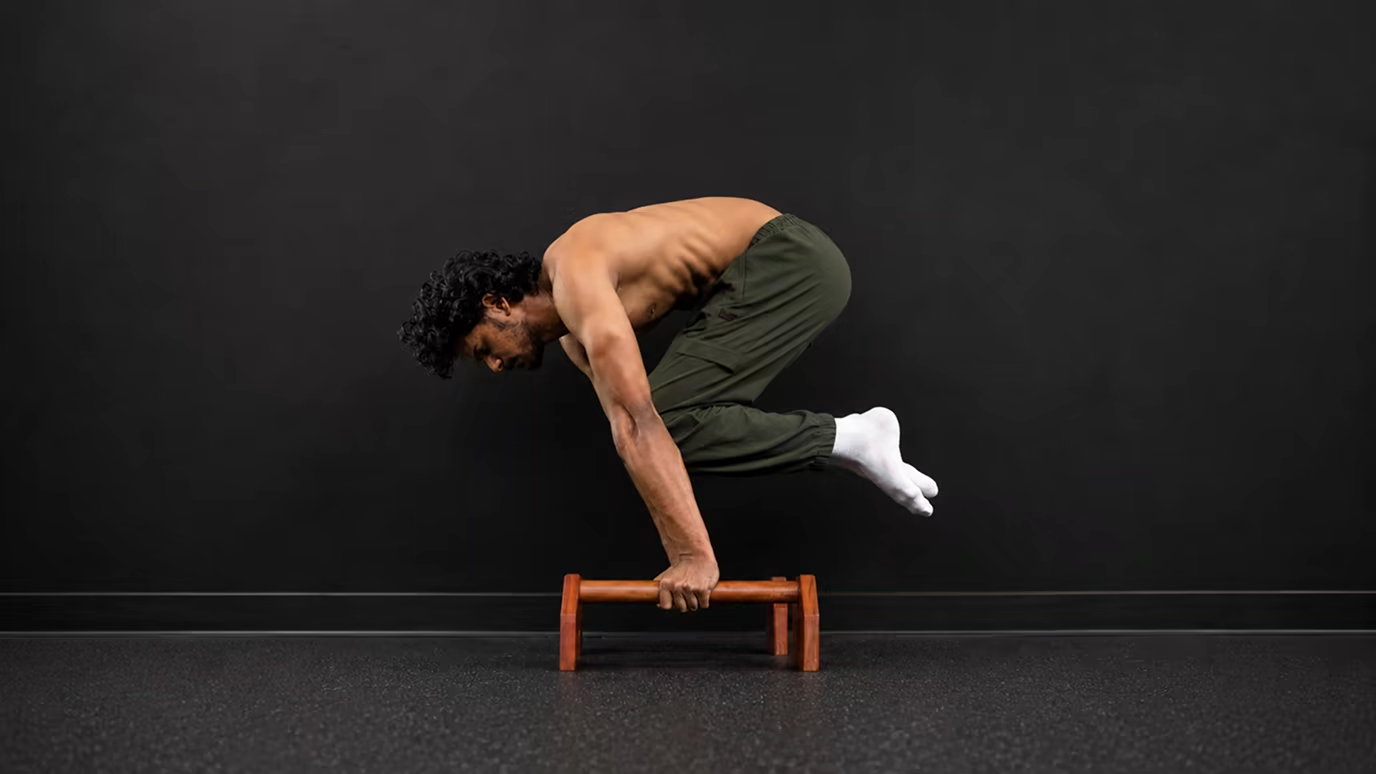
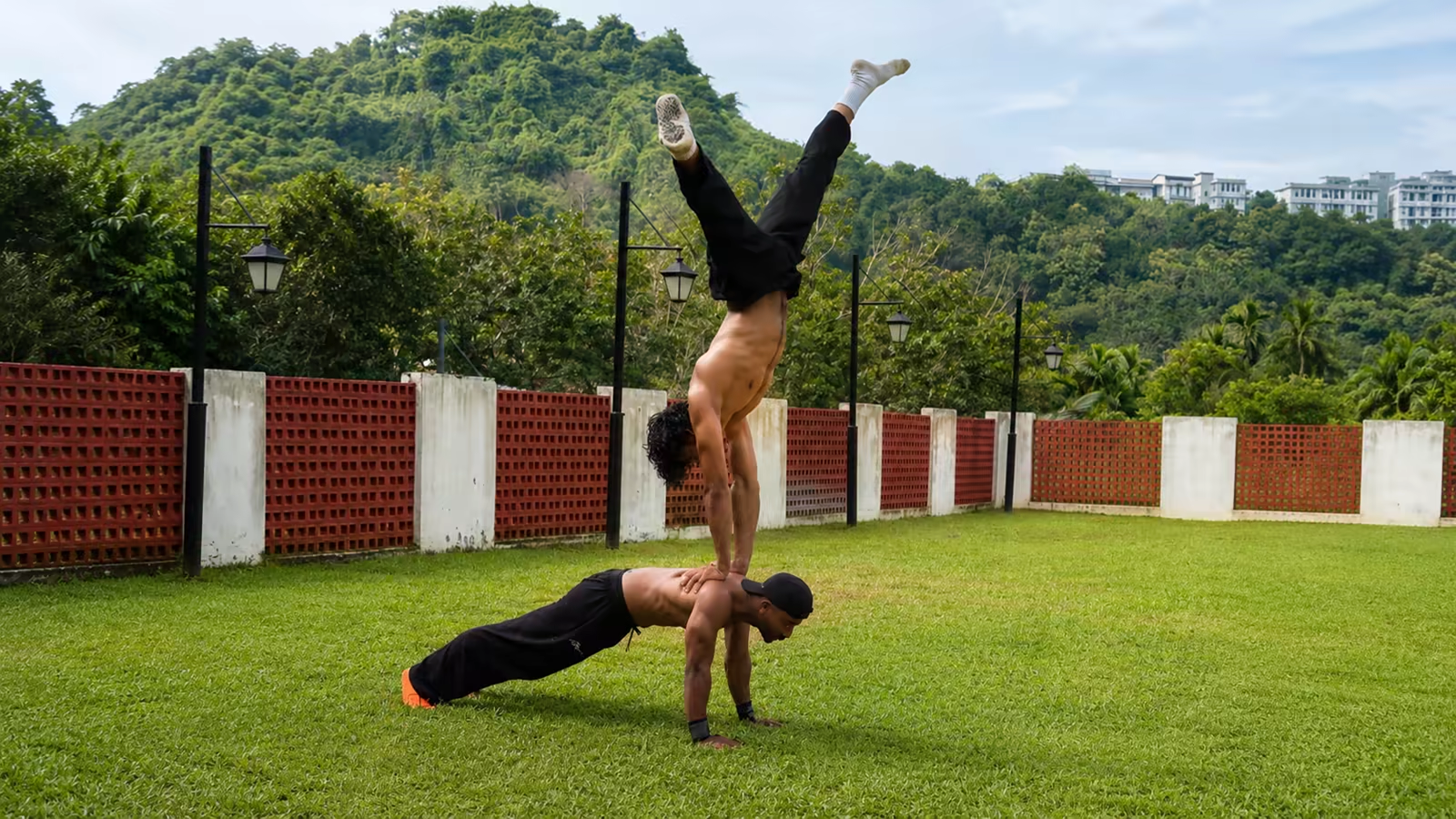
In calisthenics, progress means being able to do something with your body that you physically couldn't do a month ago. Getting your first strict pull-up, holding a 20-second frog stand, or catching your balance upside down in a handstand for the first time stays with you because you had to earn both the strength and the coordination.
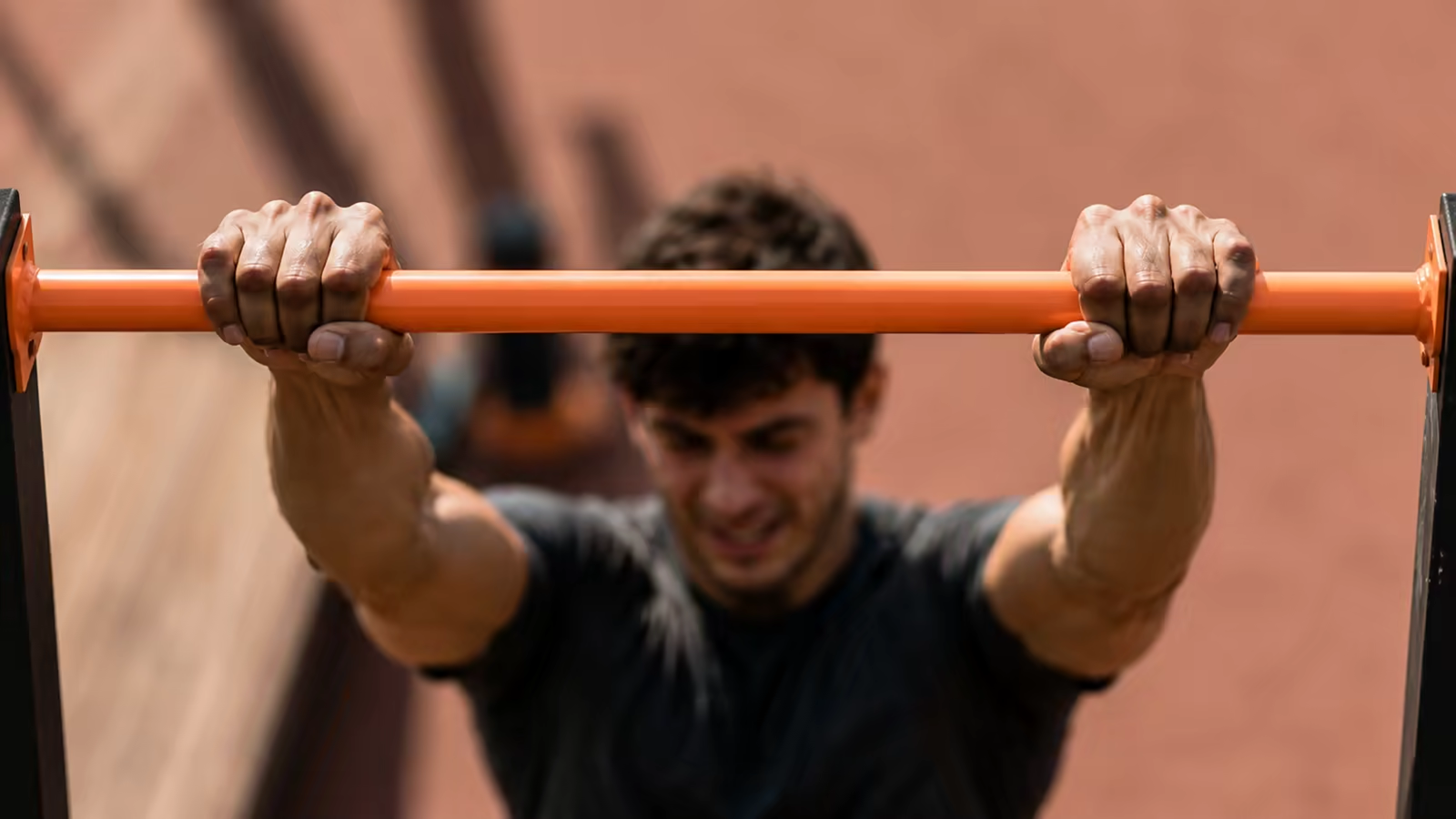
“You aren't just working out to burn calories—you're learning new ways to move your own body.”
Training Anywhere With Minimal Gear
Another big difference is how little equipment you actually need. Almost all pushing, core, and handstand progressions only need a couple of square meters of floor space and a wall. Add a doorway pull-up bar or a bar at a nearby park, and you have everything required to train all the way to muscle-ups and front levers.
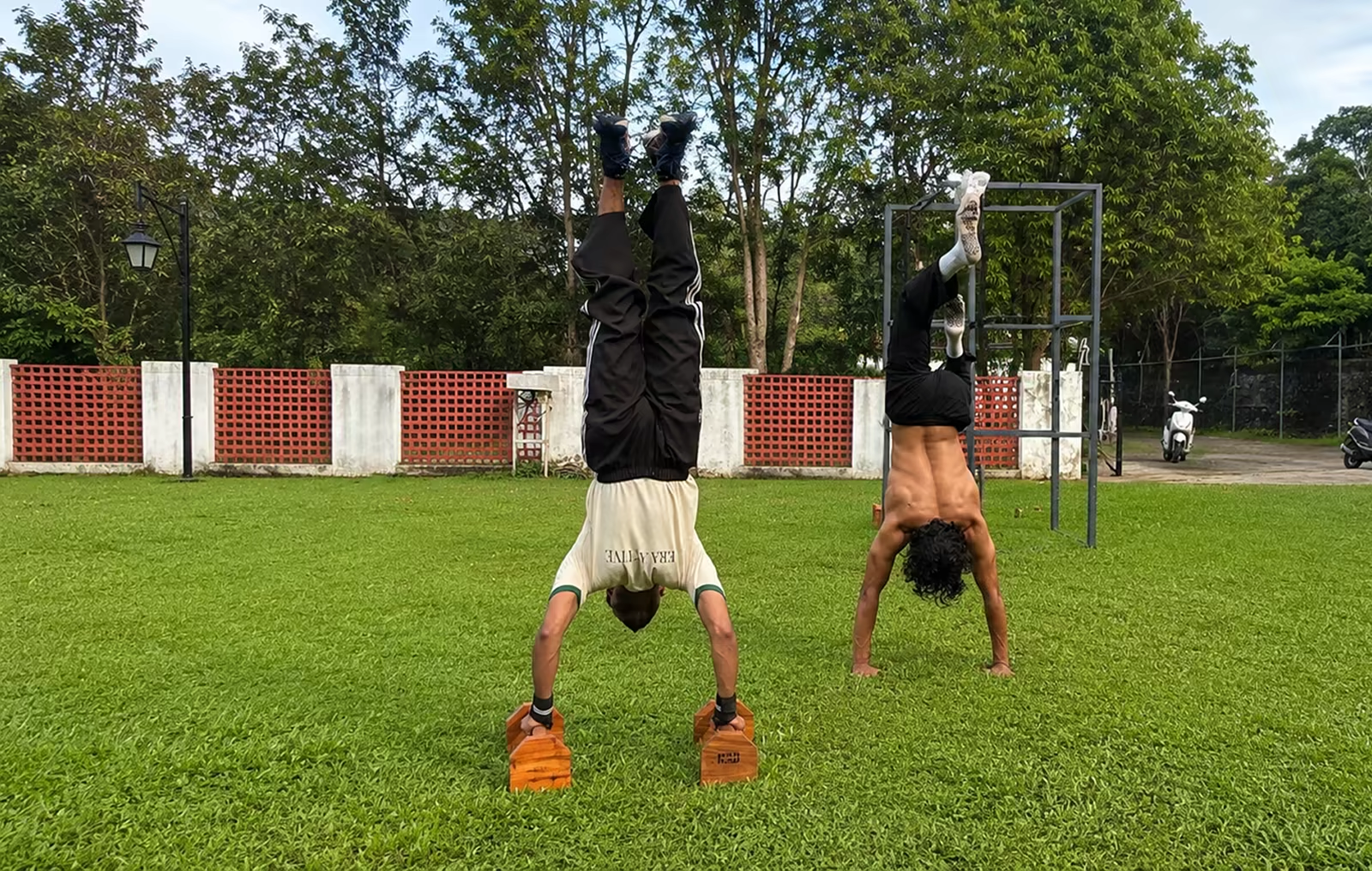
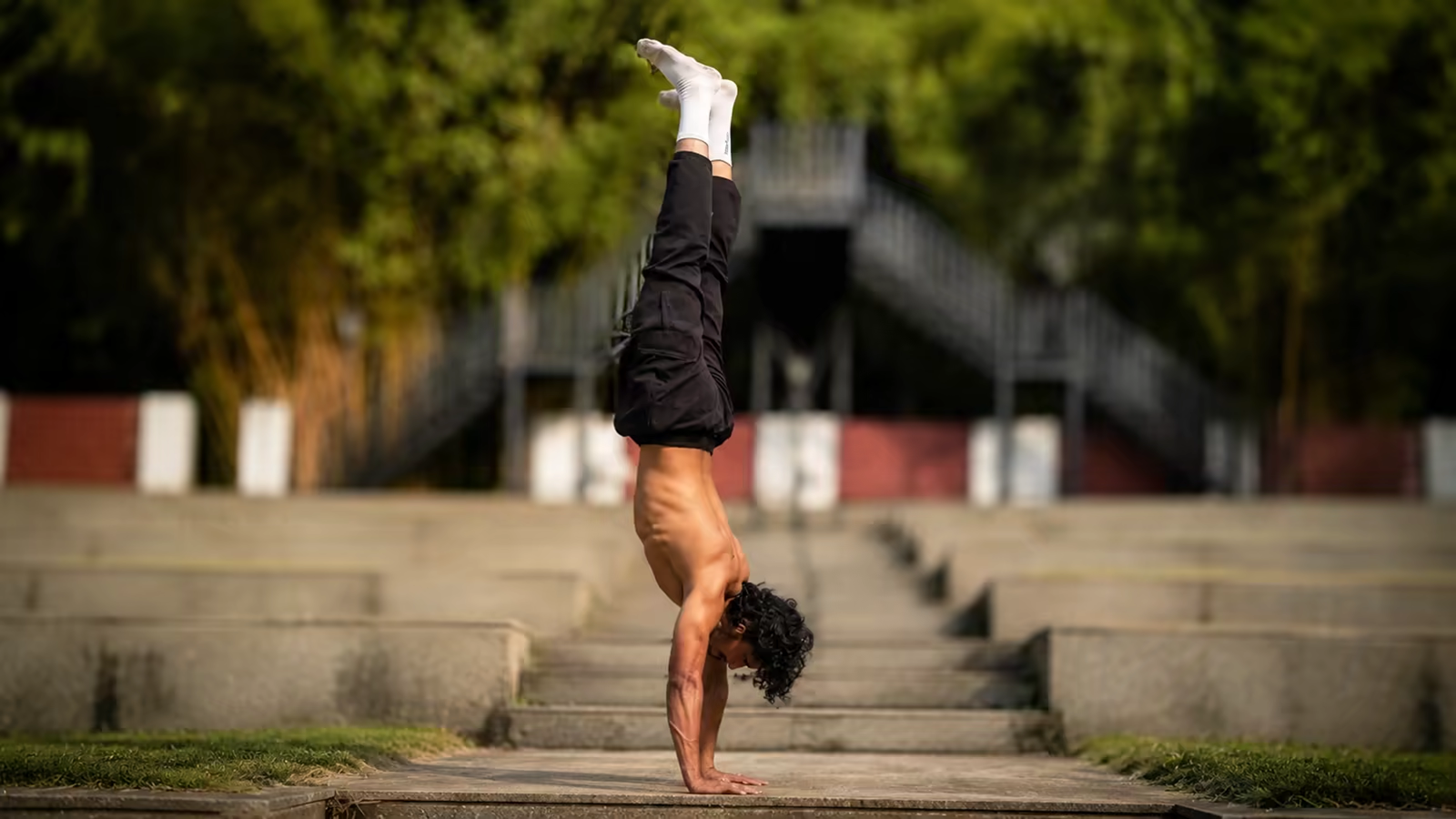
That feeling of unlocking one movement after another is what got our team hooked on calisthenics in the first place—and it's why we built CaliStack to map out those progressions step by step.
Want a clear plan for your next skill?
We built Calistack to show you the exact steps from where you are right now to your first handstand, muscle-up, or lever.